
Balancing Fire Integrity, Equipment Reliability and Hazardous Area Compliance
Abstract
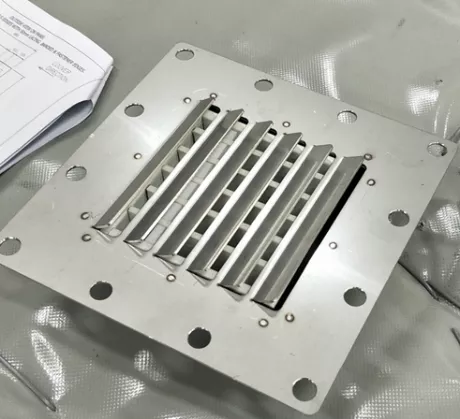
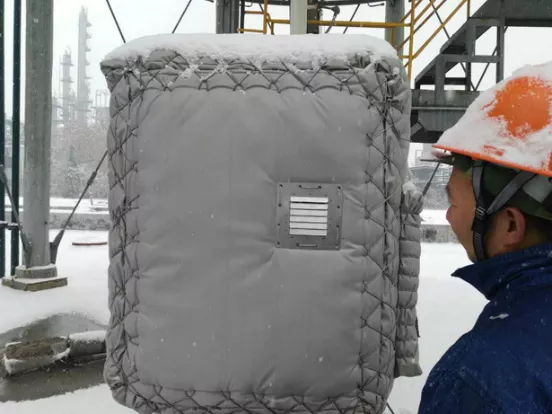
Traditional passive fire protection enclosure design focuses primarily on fire resistance performance. This paper argues that ventilation grill is a functional safety requirement that directly influences thermal management, hazardous area integrity, pneumatic performance and lifecycle reliability.
1.Introduction
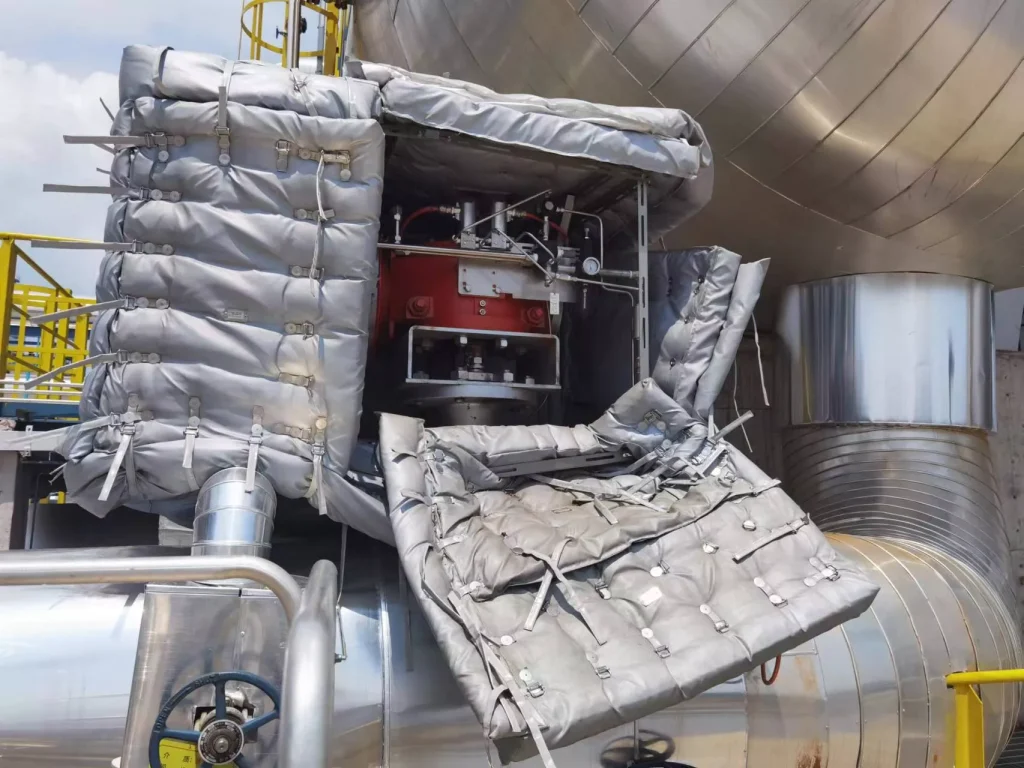
PFP enclosures protect actuators and instruments against hydrocarbon pool and jet fires. However, fully sealed designs may introduce overheating, gas accumulation, moisture retention and pressure build-up during cylinder compressed air quick exhaust.
2.Engineering Conflict Between Fire Integrity and Air Ventilation
Fire integrity demands a sealed enclosure, while equipment reliability demands air ventilation. The engineering challenge is not whether air ventilation should exist, but how ventilation can coexist with certified fire protection.
3.Thermal Management Considerations
- Scenario 1: Electric motors, solenoids and positioners when coils continuously generate heat. Proper ventilation maintains acceptable operating temperatures and supports reliable operation throughout the service life.
Quote: API RP 2218:2013 Fireproofing Practices in Petroleum and Petrochemical Processing Plants : 5.1.9 Emergency Valves within a Fire Scenario Envelope.
The solenoid on solenoid-operated valves may be fireproofed with the materials described above. Since the insulating material retains heat and blocks ventilation, the design must be investigated to ensure satisfactory operation.
- Scenario 2: When the valve operates at elevated temperatures (for example, when the normal operating temperature of the valve is ≥200°C), heat from the high-temperature process medium is conducted through the valve stem and mounting bracket into the interior of the fire protection enclosure. As a result, the internal temperature of the enclosure can become significantly elevated, and under certain extreme operating conditions, the internal temperature may exceed 100°C. In such cases, a ventilation grille is required to provide adequate heat dissipation for the actuator, preventing overheating and ensuring reliable operation.
Examples:
- In June 2022, the Aromatics Complex of Sinopec Jiujiang Refining & Petrochemical Company experienced an emergency unit shutdown (interlock trip) caused by overheating inside a fire protection enclosure.
- In June 2025, the 2# Crude & Vacuum Distillation Unit (CDU/VDU) bottom oil pump P111A at Sinopec Changling Refining & Petrochemical Company also suffered an abnormal interlock pump trip due to excessive temperature inside the fire protection enclosure.
These incidents demonstrate that a proper enclosure ventilation grille is essential for maintaining actuator reliability and preventing process interruptions when protecting valves operating at elevated temperatures.
4.Hazardous Area Classification Integrity
Leaked hydrocarbons trapped inside a sealed enclosure may create a continuous explosive atmosphere and unintentionally increase hazardous area severity. Ventilation reduces accumulation and preserves design assumptions.
| Hazardous Material | Area Definition (IEC 60079 / International Standard) | IEC Zone Classification | North American Classification (NEC/NFPA 70) |
| Gas (Class I) | An area in which an explosive gas atmosphere is present continuously, for long periods, orfrequently under normal operating conditions. | Zone 0 | Class I, Division 1 (Div.1) |
| Gas (Class I) | An area in which an explosive gas atmosphere is likely to occur in normal operation occasionally. | Zone 1 | Class I, Division 1 (Div.1) |
| Gas (Class I) | An area in which an explosive gas atmosphere is not likely to occur in normal operation, and if it does occur, it will exist only for a short period due to abnormal conditions. | Zone 2 | Class I, Division 2 (Div.2) |
5.Pneumatic Functional Safety
Many end users have reported that when a large-capacity single-acting pneumatic actuator performs a rapid emergency shutdown, a large volume of compressed air is discharged instantaneously. Because the fire protection enclosure is relatively airtight, the sudden pressure increase inside the enclosure can cause it to temporarily bulge or expand.
A ventilation grille provides an effective venting path for the rapid exhaust of the actuator, allowing the released air to escape quickly, thereby preventing pressure build-up and eliminating enclosure bulging. This not only protects the structural integrity of the fire protection enclosure but also ensures the reliable operation of the actuator during emergency shutdown conditions.
6.Mitigation of Moisture Accumulation and Corrosion
Ventilation grilles facilitate rapid drying of the fire protection enclosure when moisture or water is present, thereby minimising the risk of accelerated actuator corrosion.
A properly installed fire protection enclosure is designed to be relatively sealed to provide effective passive fire protection. However, during rainy seasons, high-humidity conditions, or following firewater deluge or sprinkler activation, a certain amount of moisture or water may accumulate inside the enclosure. The presence of moisture can have two significant adverse effects:
- It accelerates corrosion of the actuator and other internal components, potentially reducing their reliability and service life.
- It degrades the long-term fire performance of the enclosure system, particularly by increasing the moisture content of insulation materials and other fire protection components.
By incorporating ventilation grilles, natural air circulation is promoted, allowing trapped moisture to evaporate more efficiently. This helps maintain a dry internal environment, protects the actuator from corrosion, and preserves the long-term integrity and fire protection performance of the enclosure system.
7.Conclusion
Ventilation grilles mitigate overheating, corrosion, gas accumulation and pressure build-up, reducing operational risk over the entire equipment lifecycle. Ventilation should operate during normal service, automatically seal during fire exposure, preserve the fire rating, maintain hazardous area compliance and accommodate pneumatic exhaust.
Future PFP enclosure evaluations should include fire performance, thermal behaviour, pneumatic functionality and hazardous area performance as integrated engineering criteria. Ventilation should be recognised as a functional safety component rather than an optional accessory. An enclosure that survives a fire but compromises normal operation cannot be regarded as an optimised engineering solution.