
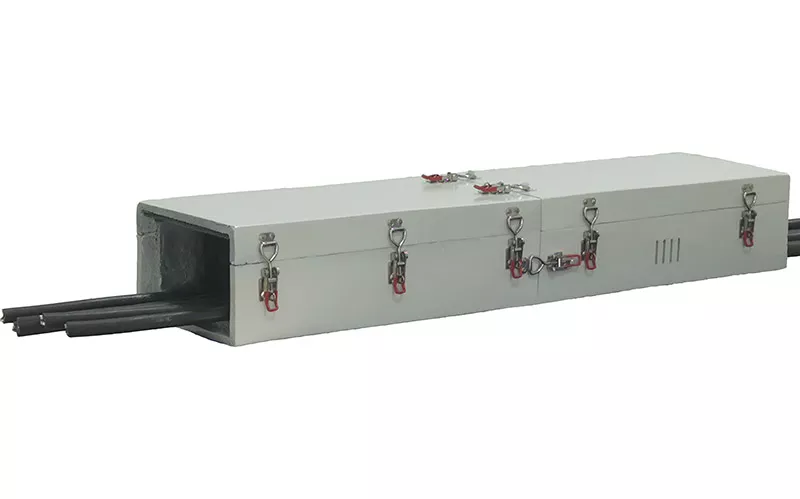
Key Features & Benefits
Intumescent Passive Fire Protection
■ Epoxy – based intumescent fire protection system;
■ Forms a dense, insulating char layer under high temperatures ,significantly reduces heat transfer;
■ Provides critical fire integrity and thermal insulation protection for cables;
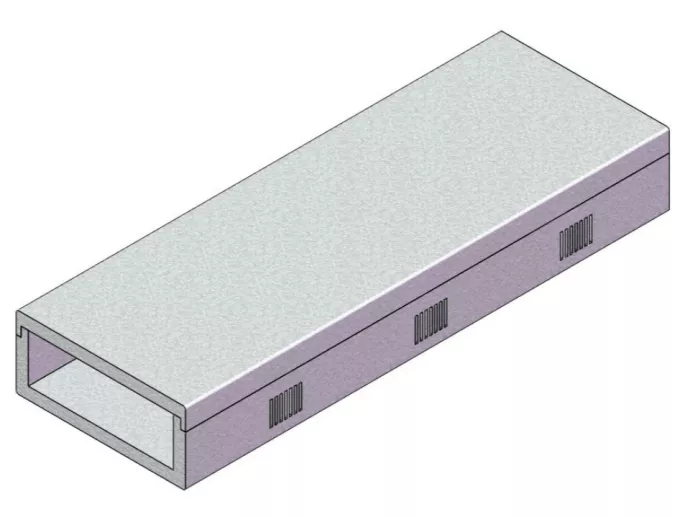
Ventilated Grille Design
■ Ensures natural ventilation and heat dissipation under normal operating
conditions;
■ Works synergistically with the intumescent material under fire conditions;
■ Suppresses flame spread and radiant heat transfer;
High Structural Strength
■ Manufactured by using high-strength materials which significantly enhance load-bearing capacity and structural stability;
■ Internal metal plate reinforcement ensures long-span installation stability and prevents deformation or fracture;
■ Fit for long-distance routing, elevated installations, and complex layouts;
■ Resistant to vibration, wind loads, and harsh operating environments;
Environmental Adaptability
■ Excellent weather resistance, chemical resistance, and long-term durability (epoxy system based);
■ Suitable for indoor, outdoor, and offshore/marine environments;
■ Compatible with power, control, and communication cables;
■ Supports customized dimensions and multiple installation configurations;
Fire Test & Certification
| Test Type | Test Type | Description |
| Hydrocarbon Pool Fire | UL 1709:2017 | Lloyd’s Register type approvals |
| Hydrocarbon Jet Fire | ISO 22899-1:2021 | Lloyd’s Register type approvals |
| Cellulosic Fire | ISO 834 | Test Report |
Typical Applications
■ Protection of power cables, control cables, and instrumentation cables;
■ Offshore platforms, vessels, and offshore modules;
■ Petrochemical plants, LNG facilities, oil &gas processing areas;
■ Cable crossings through fire compartments, unit boundaries,and escape routes;
■ Power infrastructure and auxiliary systems in nuclear power facilities and other high-risk fire environments;
