
High Performance Hydrocarbon Fire Protection Coatings Solutions
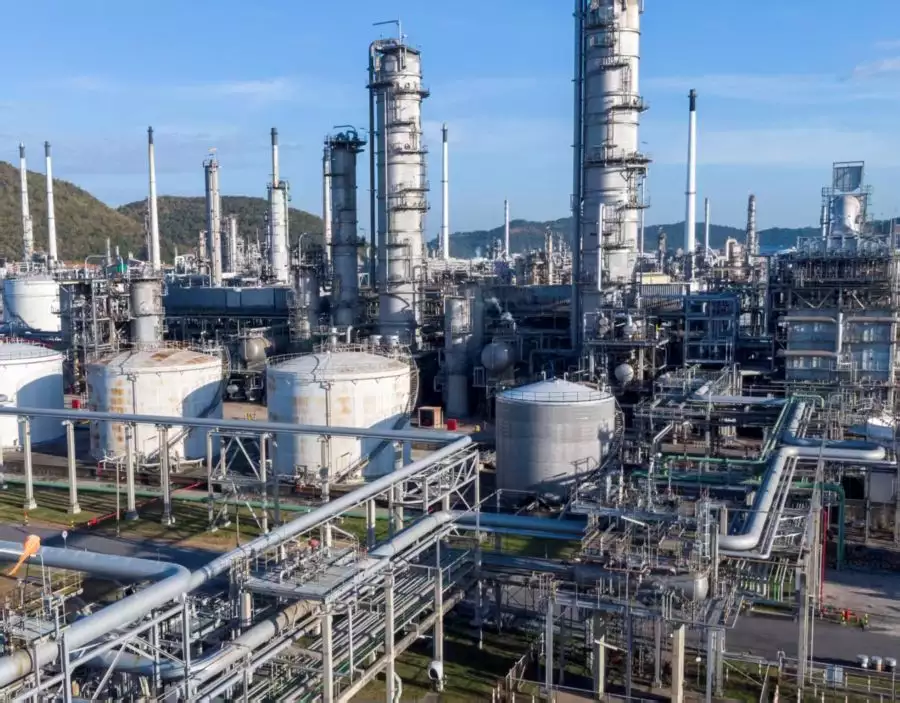
High-risk environments demand uncompromising defense. In the hydrocarbon sector, passive fire protection (PFP) must be specifically engineered to survive severe, rapid-rise hazards—including hydrocarbon pool fires, high-velocity jet fires, cryogenic spills, and explosive blasts. Operating in the world’s harshest onshore and offshore climates, these industrial assets require heavy-duty PFP systems that combine extreme durability, high impact […]
A New Generation of Fire-Rated Cable Trunking

Integrating Passive Fire Protection and Ventilation Introduction Modern petrochemical plants, offshore platforms, LNG facilities and data centres require cable trunking systems that provide both fire protection and efficient heat dissipation. However, fully enclosed fire-rated systems often restrict airflow, increasing cable temperatures, reducing current capacity and accelerating insulation ageing. Conventional Solutions Intumescent Fire Coatings Applied to […]
Ventilation Grilles as a Functional Safety Requirement in Actuator Passive Fire Protection Enclosure Systems

Balancing Fire Integrity, Equipment Reliability and Hazardous Area Compliance Abstract Traditional passive fire protection enclosure design focuses primarily on fire resistance performance. This paper argues that ventilation grill is a functional safety requirement that directly influences thermal management, hazardous area integrity, pneumatic performance and lifecycle reliability. 1.Introduction PFP enclosures protect actuators and instruments against hydrocarbon […]
The Application of Intumescent Fire Grilles in Battery Energy Storage Systems
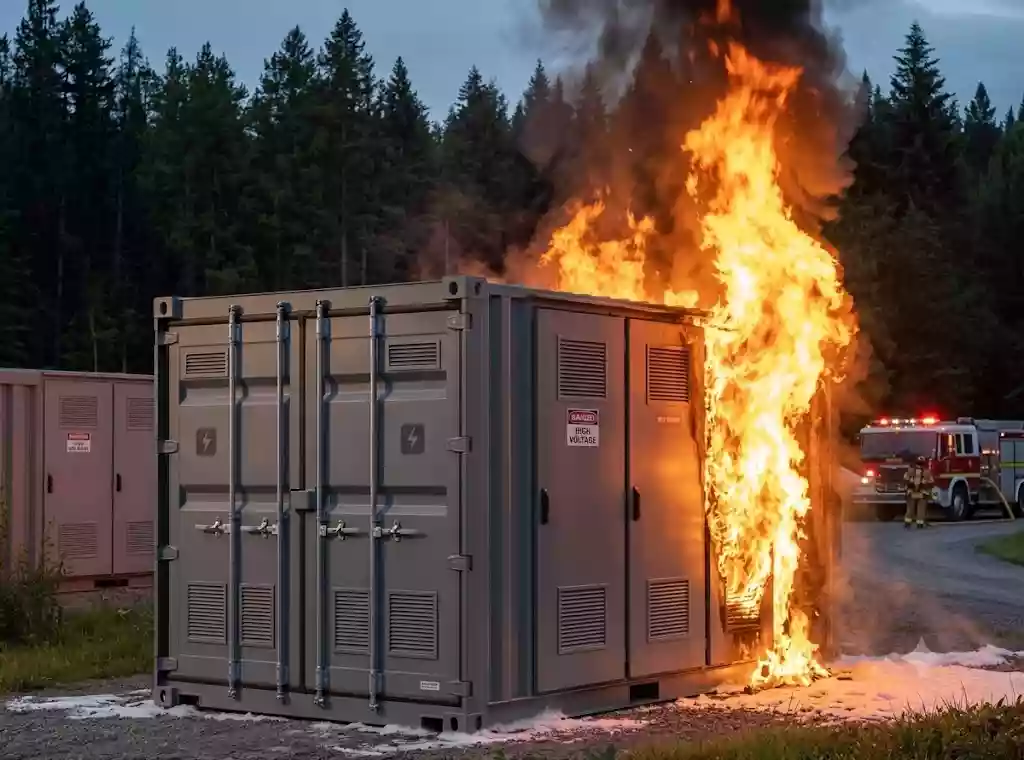
In the design and construction of Battery Energy Storage System (BESS) enclosures and containers, intumescent fire grilles (also referred to as air transfer grilles) have become an industry-standard, core benchmark component. They successfully reconcile the critical engineering conflict between routine thermal management (ventilation) and passive fire compartmentation. Lithium-ion BESS configurations present a severe risk of […]
The Importance of Valve and Actuator Fire Protection and Cryogenic Spill Protection in LNG and FLNG Facilities

Liquefied Natural Gas (LNG) and Floating Liquefied Natural Gas (FLNG) facilities operate in some of the most demanding environments in the energy industry. Extreme temperatures, hydrocarbon fire risks, saltwater corrosion, and confined offshore layouts all place critical process equipment under severe operational stress. Among all protected assets in LNG and FLNG facilities, valves and actuators […]
Selection of Passive Fire Protection Systems for Offshore Valves and Actuators: Flexible Jackets vs. Epoxy box
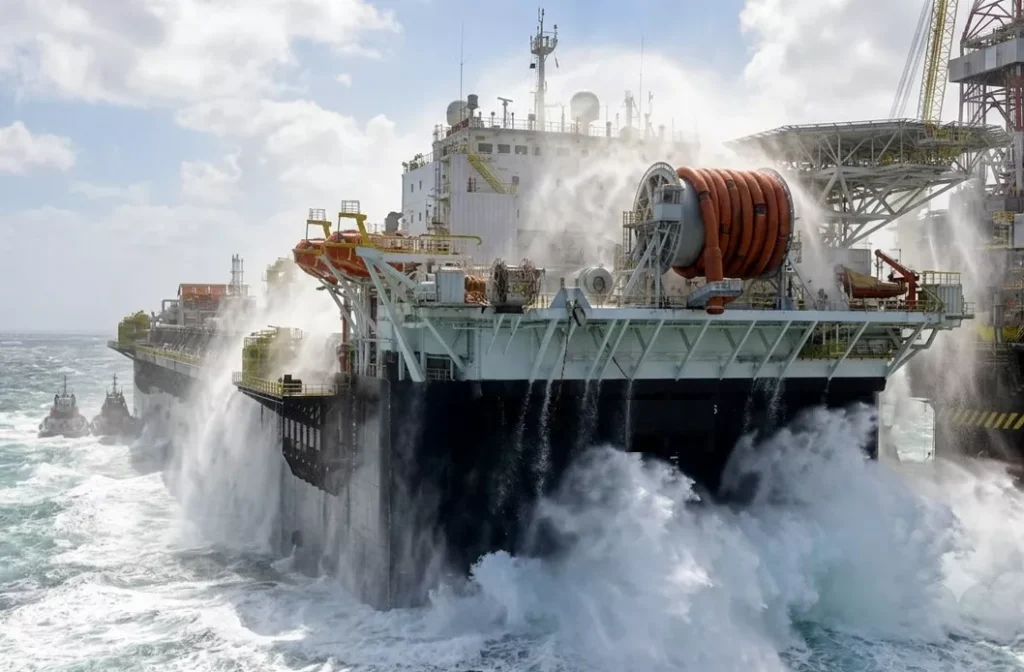
1. Introduction In offshore oil and gas facilities, such as FPSO topsides, critical valves, emergency shutdown (ESD) valves, and actuators represent the frontline of defense against catastrophic events. Protecting these assemblies from fire hazards is a regulatory and safety imperative. However, FPSO environments introduce unique physical challenges rarely encountered in onshore facilities—most notably green water […]
Why Water Repellent Fiber Is Essential for Passive Fire Protection Systems
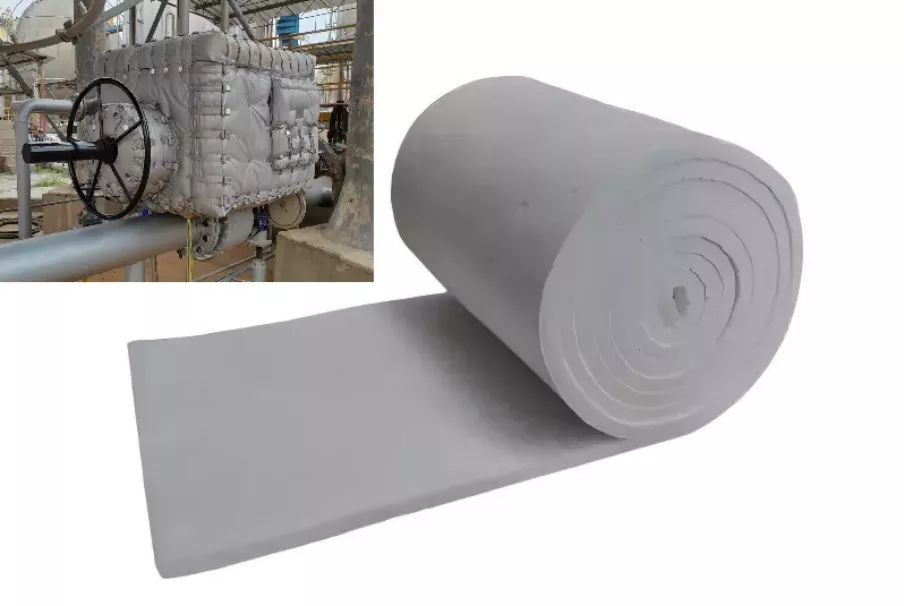
In industrial fire protection systems, the performance of insulation materials is not only determined by temperature resistance. Moisture resistance is equally critical, especially for outdoor petrochemical facilities, offshore platforms, LNG terminals, marine applications, and high-humidity operating environments. Many conventional ceramic fiber blankets can withstand high temperatures, but once exposed to water or moisture, their thermal […]
Reinforcement Mesh in Epoxy Intumescent PFP Coatings
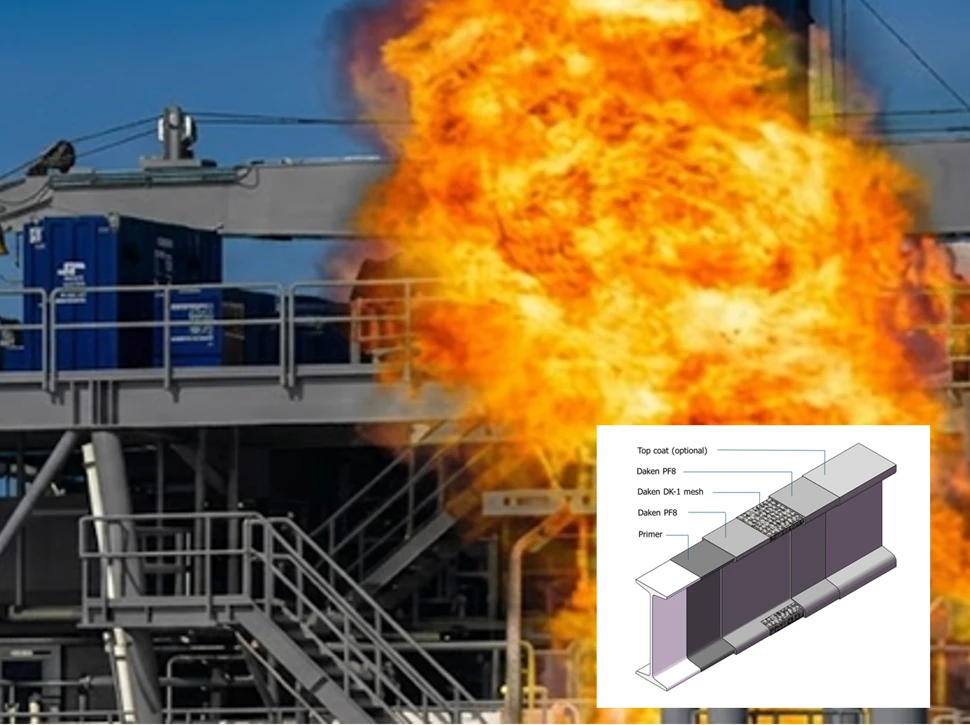
Introduction Epoxy intumescent passive fire protection (PFP) coatings are widely used in offshore platforms, petrochemical plants, LNG facilities, refineries, and other high-risk hydrocarbon processing environments. During fire exposure, epoxy intumescent coatings expand and form an insulating char layer that shields the substrate from extreme heat. In many certified PFP systems, reinforcement mesh is integrated within […]
Fire Protection Bolt Caps for Offshore & Petrochemical Applications

In oil & gas, offshore, LNG, petrochemical, and power generation facilities, critical bolted connections are often overlooked in passive fire protection design. Yet during a hydrocarbon fire, exposed bolts and fasteners can rapidly lose mechanical strength, leading to flange leakage, equipment failure, or structural instability. That is why more EPC contractors and asset owners are […]
Intumescent Coatings are Revolutionizing Pipe Penetration Seal against Jet fire
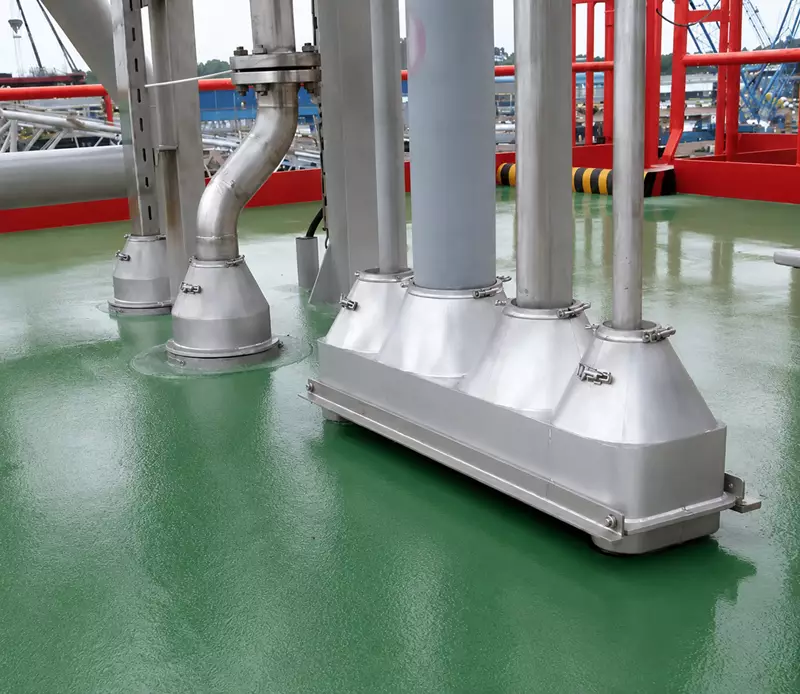
In offshore oil and gas platforms, FPSOs, and chemical processing plants, when a jet fire strikes bulkhead or deck pipe penetrations, the fire proof seal assembly must maintain compartmental isolation. To protect these vulnerable penetration points, new solution of protective cover shells fabricated with advanced epoxy intumescent coatings brings more options for site application. The […]